
Essential Guide to Safely Moving Office Furniture in Edinburgh
Moving office furniture safely is about more than lifting desks and loading chairs. A well-planned office move protects your furniture, reduces disruption, and helps your team get back to work quickly. If you are safely relocating office furniture with disassembly, the key is to plan early, label clearly, protect high-use items properly, and make sure sensitive equipment and documents are handled with care.
In Edinburgh, there is another layer to think about. Access restrictions, shared entrances, narrow streets, parking controls, and older buildings can all affect how an office move runs on the day. With the right preparation, you can reduce risk, avoid preventable damage, and keep downtime to a minimum.
What matters most when moving office furniture safely?
The safest office moves start with a clear sequence. Before anything is dismantled, you need to know what is moving, what is staying, and what needs specialist handling.
A simple plan should cover:
- A room-by-room furniture inventory.
- Which items need disassembly before transport.
- Which items can move intact.
- Access and parking arrangements at both sites.
- A schedule for packing, loading, delivery, and reassembly.
- A separate process for IT equipment, files, and confidential material.
This avoids one of the most common problems in office relocation services: dismantling too early, then losing fittings, mixing up components, or slowing down teams that still need to work.
How to assess office furniture before the move
Not every item should be treated the same way. A workstation desk, reception counter, boardroom table, and pedestal drawer unit each need a different approach.
Desks and bench systems
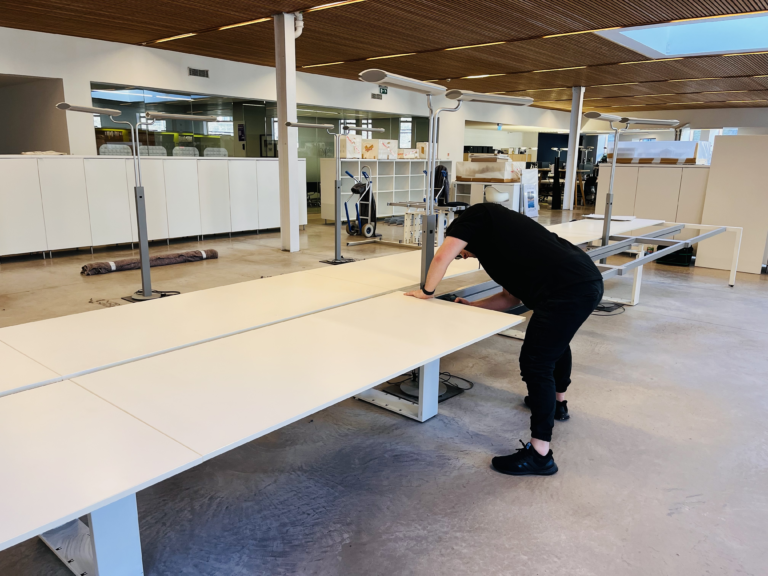
Modern office desks often have cable trays, modesty panels, monitor arms, and shared frames. These usually need partial disassembly before moving. Remove screens, loose shelves, and cable accessories first. Photograph the cable layout if you plan to reinstall the same setup in the new office.
Office chairs
Most office chairs can be moved assembled if space allows, but high-end ergonomic chairs should still be protected carefully. Lock adjustable elements where possible, wrap arms and backs, and avoid stacking chairs in a way that strains castors or frames.
Boardroom tables
Large meeting tables often have heavy tops, fragile finishes, and multiple joining points. These are best disassembled in stages, with each section labelled clearly. Hardware should be bagged, named, and attached to the relevant section rather than kept loose.
Reception furniture
Office reception furniture can be awkward because it is often bulky, visible to clients, and easy to mark. Corner edges, gloss finishes, glass sections, and built-in storage all need extra protection. A measured loading plan helps avoid damage in lifts, stairwells, and entranceways.
Storage units and filing furniture
Cupboards, lockers, and filing cabinets must be emptied unless they are designed to move loaded. Internal shelves should be removed or secured. Any confidential records should be packed separately and logged so they remain easy to track.
Disassembling office furniture for relocation
Disassembling office furniture for relocation should make transport safer, not more complicated. The aim is to reduce size, weight, and pressure points without creating confusion during reassembly.
Tools you may need
A basic office furniture disassembly kit often includes:
- Allen keys and hex drivers
- Screwdrivers
- Socket set or spanners
- Power driver with torque control
- Zip bags for fittings
- Labels or masking tape
- Marker pens
- Protective blankets and wrap
- Corner protectors
- A phone or tablet for reference photos
A safe disassembly process
- Clear the item fully before starting.
- Photograph the furniture from several angles.
- Remove fragile parts and loose accessories first.
- Take apart larger sections in order, not all at once.
- Bag fittings separately for each item.
- Label every part clearly with room and item name.
- Keep instructions, if available, with the hardware bag.
- Wrap finished sections before moving them to the loading area.
For larger furniture systems, it helps to create a simple reassembly note. Even a short label such as “Boardroom Table A – left leg set – 8 bolts” can save time later.
How to move office furniture without damage
If you want to know how to move office furniture without damage, focus on pressure points, surfaces, and handling routes. Most avoidable damage happens in corridors, lifts, loading bays, and vehicle loading rather than during the journey itself.
Use the right protection
The best damage reduction methods are usually straightforward:
- Wrap finished surfaces with moving blankets or protective covers.
- Use edge protectors on desks, cabinets, and table tops.
- Keep hardware bags attached to the correct item.
- Avoid dragging furniture across floors.
- Use trolleys, dollies, and straps suited to the weight and shape of the load.
- Separate metal parts from finished wood or glass surfaces.
Check the route before lifting
Measure doorways, stairwells, lifts, and loading points in advance. In Edinburgh offices, older buildings and shared access routes can create logistical issues that are easy to underestimate. A piece that leaves one office intact may not enter the next one the same way.
Load by zone, not at random
Furniture should be loaded in a sequence that matches the delivery plan. That reduces double-handling, which is one of the main causes of chips, scuffs, and delays.
Protecting sensitive equipment and documents
Furniture is only one part of an office move. Many growing businesses are equally concerned about the professional handling of sensitive equipment and important files.
Screens, desktops, docking stations, printers, and conference equipment should be packed separately from furniture parts. Cables should be labelled by user or workstation. If your business handles confidential material, create a clear chain of responsibility for records during the move.
This is where experienced office removal companies can make a real difference. A structured commercial move plan helps keep furniture, equipment, and documents moving on separate but coordinated tracks.
Planning for minimal downtime
Efficient office relocation solutions are built around continuity. The goal is not just to move furniture safely, but to keep business interruption as low as possible.
Practical ways to reduce disruption
- Move in phases if the whole office does not need to stop at once.
- Schedule dismantling after teams have finished using each area.
- Prioritise key departments, reception areas, and meeting spaces for first-day setup.
- Label furniture by destination room and floor.
- Keep an essentials list for internet, phones, printers, and key staff equipment.
- Use storage if the new space is not ready for all furniture at once.
Containerised storage can also help when lease dates, fit-outs, or refurbishment works do not line up neatly. It gives you flexibility without forcing furniture into unsuitable temporary spaces.
You should also keep your team informed throughout the process. Clear updates for staff, suppliers, and clients reduce confusion on moving day and make it easier to manage changes. For a practical framework, see Internal Comms for an Office Move: Templates for Staff and Clients.
Common mistakes to avoid
Even well-managed moves can run into problems when details are missed. The most common issues include:
- Disassembling everything too early and disrupting teams before necessary.
- Failing to label parts, fittings, and destination rooms.
- Underestimating access or parking restrictions.
- Moving confidential documents without a clear log.
- Packing cables and accessories loosely.
- Leaving reassembly to guesswork.
- Treating specialist items like standard furniture.
These mistakes are often less about effort and more about sequence. A clear plan and careful handling usually prevent the majority of them.
Edinburgh-specific logistical issues to plan for
An Edinburgh office relocation often involves practical constraints that affect timing and access.
Building access
Shared entrances, listed buildings, stair access, and limited lift availability can all shape the move plan. Confirm booking windows with building management early.
Parking and loading
Restricted loading zones and busy city-centre streets can delay vehicle access. Temporary suspensions or permits may be needed depending on the location.
Timing around business operations
For many businesses, the safest option is to move outside core operating hours or in carefully planned stages. This helps reduce disruption for staff, customers, and neighbouring tenants.
When professional commercial moving services make sense
Some office moves can be handled internally, but many benefit from experienced office relocation specialists. This is especially true when you are moving larger furniture systems, valuable boardroom furniture, reception pieces, archived files, or equipment that needs careful sequencing.
Professional commercial moving services can help with:
- Move planning and scheduling
- Protective packing materials and crates
- Safe dismantling and reassembly
- Handling bulky or awkward furniture
- Coordinating storage during phased moves
- Reducing business downtime through a structured plan
The right support should feel practical rather than pushy. You need a clear plan, reliable handling, and a team that understands how office environments work.
A simple office furniture moving checklist
Before moving day, make sure you have covered the essentials:
- Confirm inventory and floor plan.
- Identify furniture that needs disassembly.
- Photograph workstation layouts and meeting room setups.
- Label all parts and destination rooms.
- Pack confidential files separately.
- Confirm access, parking, and lift times.
- Separate IT equipment from furniture loads.
- Prepare protective materials for finished surfaces.
- Decide what goes straight to the new office and what goes into storage.
- Schedule reassembly in priority order.
Conclusion
Safely relocating office furniture with disassembly takes planning, careful handling, and a clear understanding of how your business needs to operate during the move. With the right approach, you can protect desks, chairs, reception furniture, and boardroom tables while keeping downtime manageable.
At MoveStore, we help businesses plan office moves around real operational needs, with careful handling, practical scheduling, and storage options when timelines do not quite match. Get a quote and we will talk you through the best setup for your move.
FAQs
How can I safely disassemble office furniture for moving?
Start by emptying the item, taking reference photos, and removing loose parts first. Keep fittings in labelled bags and wrap each section as soon as it is dismantled so nothing gets mixed up or damaged.
What are the best practices for moving office furniture without causing damage?
Use protective wraps, move furniture with the right equipment, and check all routes before lifting. It also helps to load by delivery order so items are not handled more than necessary.
What tools do I need to disassemble office furniture?
Most office furniture can be dismantled with Allen keys, screwdrivers, spanners, a controlled power driver, labels, marker pens, and protective wrapping materials. The exact tools depend on the furniture system.
How can I protect sensitive equipment during an office move?
Pack IT and confidential materials separately from furniture components. Label cables by workstation, keep records organised, and make sure there is a clear handover process for important equipment and documents.
What are the common mistakes to avoid when moving office furniture?
The main risks are poor labelling, rushed disassembly, underestimating access problems, and mixing furniture fittings with unrelated items. These issues usually lead to delays and avoidable damage.
How can I ensure minimal downtime during an office relocation?
Plan the move in phases where possible, prioritise essential teams and equipment, and schedule dismantling only when spaces are ready to be cleared. Storage can also help if your move dates and occupancy dates do not align perfectly.