
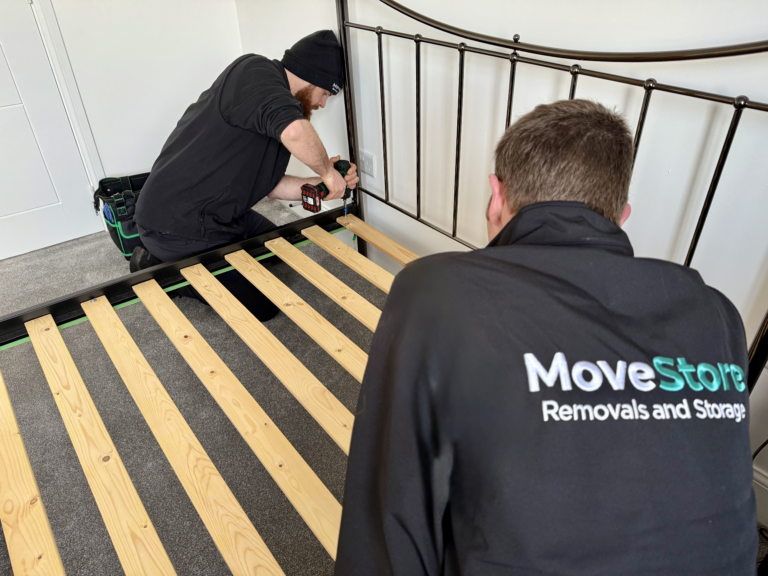
Dismantling & Reassembly: What Movers Can (and Can’t) Do
If you are moving out of a flat and into your first home, it is normal to wonder how much help a removals company can give with larger furniture. Beds, wardrobes and dining tables often need to come apart to get through tight stairwells, shared closes and narrow doorways. In Edinburgh, that matters even more.
The simple answer is this: movers can often help with basic furniture dismantling and reassembly, but not every item, every fitting or every specialist job is included as standard. Knowing the difference helps you avoid delays, surprise charges and last-minute stress.
In this guide, we explain what movers can do when moving house, where the limits usually are, and how to prepare properly before the team arrives.
What dismantling and reassembly usually means
Furniture disassembly services usually cover the safe taking apart of larger household items so they can be carried out of your property, loaded securely, and put back together at the other end if agreed in advance.
This often applies to:
- Bed frames
- Standard wardrobes
- Dining tables with removable legs
- Desks
- Shelving units
- Sofas that separate into sections
Reassembly services for house movers are normally limited to putting those same items back together in a practical, usable way once they are in the correct room.
That does not mean every removals company offers the same level of help. Some include basic dismantling in a quote. Others treat it as an extra service. That is why it is worth asking for a written breakdown before you book.
What movers can usually do
For straightforward household furniture, removal companies can often help with careful dismantling and reassembly as part of the moving plan.
Basic furniture taken apart for access
The most common reason for dismantling furniture is access. A bed frame might not go down a tenement stair. A wardrobe may be too tall for a turn in the hallway. A table may need its legs removed to fit safely through the door.
In those cases, movers can often:
- Assess which pieces need to come apart
- Remove simple fixings or detachable sections
- Carry items out in a safer, more manageable way
- Reassemble them at the destination if this has been agreed
This is one of the main benefits of using professional removals rather than trying to manage bulky furniture alone.
Handling larger items more safely
Disassembling and reassembling furniture is not only about getting items through a doorway. It can also reduce the risk of damage during carrying and loading. A dismantled bed, for example, is often easier to protect than a fully assembled frame that catches on walls or bannisters.
For first-time buyers, that can be a real relief. You are not only protecting the item itself. You are also reducing the chance of damage to stairwells, paintwork, door frames and floors.
Working around Edinburgh access challenges
Edinburgh moves often involve practical obstacles that make furniture dismantling more likely.
These can include:
- Narrow Victorian or Georgian stairwells
- Tight corners in shared closes
- Limited parking close to the property
- Basement or top-floor access
- Restricted lift access in newer blocks
Local experience matters here. A team that is used to Edinburgh moving advice will know that a large piece of furniture which looks manageable on paper can become awkward very quickly in an older building.
What movers usually cannot do
This is where expectations need to be clear. Even when a removals company offers furniture disassembly services, there are limits.
Specialist joinery or fitted furniture
Most movers will not dismantle fitted wardrobes, wall-mounted shelving, built-in media units or anything fixed permanently to the property. Those jobs often fall closer to joinery than removals.
If furniture is attached to walls, flooring or electrics, you should assume it needs a specialist rather than a removals crew.
Items with complex mechanisms
Some items are too complex, fragile or manufacturer-specific for safe dismantling on moving day. This can include:
- Flat-pack furniture that has already been dismantled and rebuilt several times
- Adjustable beds
- Furniture with concealed fixings
- Delicate antique pieces
- Items with glass panels or custom parts
Movers may agree to handle these, but they may also ask you to arrange specialist help or sign off on limited liability where an item is already unstable.
Plumbing and electrical disconnections
Removal companies are not normally there to disconnect washing machines, plumbed fridge freezers, gas cookers, lighting, TVs fixed to walls, or wired office equipment.
Those items may need a qualified tradesperson before moving day. It is always better to separate these jobs in advance rather than assume the removals team can do everything.
Loose parts without instructions or fixings
If screws, bolts or brackets are missing, reassembly may not be possible on the day. The same applies if furniture arrives without the right fixings or has already been damaged before the move.
That is one reason preparing for a move matters so much. A little organisation beforehand can make the difference between a smooth setup and a half-finished room on move-in day.
Common misconceptions about movers’ capabilities
One of the biggest causes of frustration is assuming dismantling is automatic.
Here are a few common misunderstandings:
- “All furniture will be taken apart if needed.” Not always. The team needs to know in advance what requires dismantling.
- “Reassembly is always included.” It may be, but it is not safe to assume unless it is on the quote.
- “Movers can disconnect anything in the house.” Usually not. Plumbing, gas and electrical work is normally separate.
- “Every item can be rebuilt perfectly on the day.” Not if parts are missing, damaged or unsuitable for repeat dismantling.
A good removals company will explain these limits clearly before moving day.
How to tell movers what needs dismantling
Clear communication makes the whole move easier.
When comparing removal companies, tell them:
- Which items need dismantling
- Whether reassembly is needed at the new property
- If any item is especially heavy, delicate or awkward
- Whether there are access issues at either address
- If parking is restricted or permits are required
Photos help. A video survey helps even more. It gives the team a much clearer idea of what they are dealing with and whether extra time, equipment or staff are needed.
This is especially useful for first-time house buyer moving tips in Edinburgh, where two similar-looking flats can have very different access once stairs, landings and street parking are taken into account.
How to prepare furniture before the movers arrive
Even if the movers are handling disassembly, a bit of preparation on your side will help the day run properly.
Furniture preparation checklist
- Empty wardrobes, drawers and shelving units
- Remove valuables, documents and sentimental items
- Take photos of complex items before they are dismantled
- Put screws, bolts and small fittings into labelled bags
- Keep manufacturer instructions if you still have them
- Flag up fragile panels, weak joints or previous repairs
- Check the route out of the property for obstacles
- Confirm in writing which items are being dismantled and reassembled
This also helps if you are doing a removal company comparison. Clear quotes are easier to compare when both companies are pricing the same work.
What to keep with you during the move
Some belongings should stay with you rather than go in the removals van.
Keep these separately:
- House keys and ID
- Phones and chargers
- Wallet, bank cards and important documents
- Medicines
- Laptops and valuable electronics
- Jewellery and sentimental items
- Kettle, mugs and basic refreshments
- Toiletries and a change of clothes
- Children’s or pets’ essentials
- Any small furniture fixings you do not want misplaced
If you are moving straight into the new property, it also helps to pack a simple first-night box. That gives you the basics without opening every carton at once. For more on that, see What to Pack Separately: Essentials Box for the First 24 Hours.
Red flags to watch for when hiring movers
Not all moving services in the UK offer the same standards of planning or transparency.
Be cautious if a company:
- Gives a vague quote with no clear list of included services
- Will not confirm whether dismantling and reassembly are included
- Dismisses access concerns without asking questions
- Cannot explain how delicate furniture will be protected
- Is unclear about timing, staffing or extra charges
You should feel that the company has understood the job, not rushed you through it.
When professional help is better than DIY
Some people are tempted to dismantle everything themselves to save time or money. Sometimes that works well. Sometimes it creates more problems.
Professional help is usually worth considering when:
- The item is large and awkward to manoeuvre
- Access is difficult at either property
- The furniture is expensive or easy to mark
- You are short on time before completion day
- You want fewer moving-day jobs to manage yourself
For many first-time buyers, the real value is not just the physical labour. It is having a clear plan and fewer unknowns.
Our approach at MoveStore
When you are planning a move, we aim to keep things straightforward. We talk through access, timing and any furniture that may need attention before moving day, so you know what is included and what may need separate preparation.
For household moves in Edinburgh, that often means looking closely at stair access, parking and whether certain items should be dismantled for safer handling. If storage is part of the plan, we can also help you build a move around a more flexible timeline.
You can read more about our household removals near me service if you are comparing options.
Conclusion
Dismantling and reassembly can make a move much easier, especially in Edinburgh properties where access is not always straightforward. But it is important to understand the limits. Movers can often help with standard furniture disassembly services and practical reassembly, but specialist fittings, utilities and complex items usually need separate planning.
The best approach is to agree everything in advance, prepare furniture properly, and keep essential items with you on the day. That way, your move feels more organised and far less stressful.
Get in touch for a no-obligation quote and we’ll talk you through the best setup for your move.
FAQs
Do movers know how to dismantle and assemble furniture?
Often, yes. Most experienced removal companies can manage basic dismantling and reassembly for standard household furniture such as beds, tables and some wardrobes. It is still important to confirm exactly which items are included before moving day.
What items are movers not allowed to move?
Policies vary, but movers commonly avoid hazardous materials, certain chemicals, and items requiring specialist disconnection or handling. It is also common for them not to deal with fitted furniture, gas appliances or complex electrical installations.
What are common red flags to look out for when hiring movers?
Watch for vague pricing, unclear service descriptions, poor communication and no written confirmation of what is included. If a company does not ask about access, stairs or larger furniture, that can also be a warning sign.
How can I effectively communicate my dismantling and reassembly needs to movers?
List each item clearly, send photos where possible, and mention any awkward access points at both properties. A video survey is one of the best ways to help a removals company understand the job properly.
What should I keep with me during the move?
Keep valuables, documents, medication, keys, chargers and anything you will need in the first 24 hours. It is also sensible to keep small fixings and labelled parts for important furniture close to hand.
What challenges do movers face when navigating Edinburgh’s historic streets?
Older buildings often have tighter stairwells, sharper turns and limited parking nearby. These details can affect how furniture is carried out and whether dismantling is needed before loading.