
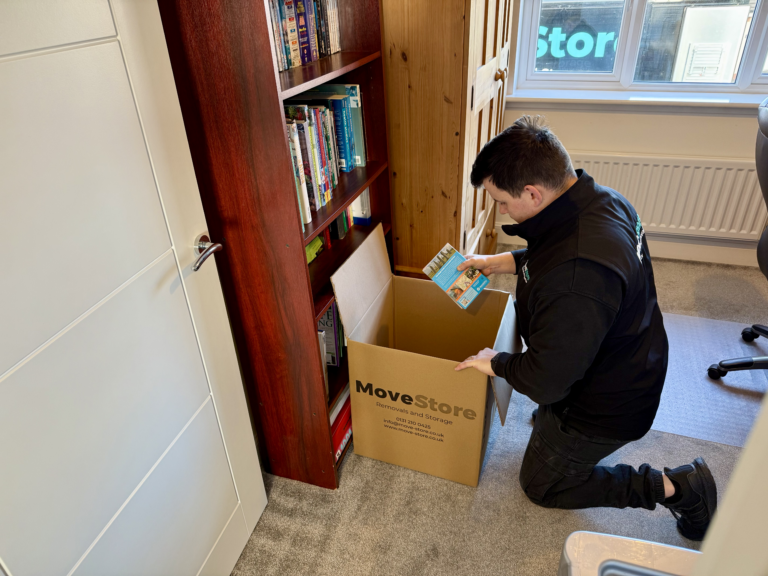
What to Pack Separately: Essentials Box for the First 24 Hours
Moving day can feel organised right up until the point you need a phone charger, kettle, or clean towel and cannot find it in a stack of sealed boxes. That is why it helps to pack one essentials box separately and keep it with you rather than loading it on the lorry.
For most moves, this box should cover the first 24 hours in your new home: the items you are likely to need before the full unpack starts. It saves time, cuts stress, and makes the first evening far more manageable.
What is an essentials box for moving day?
An essentials box for moving day is a separate bag, box, or suitcase containing the items you will need straight away when you arrive. Think of it as your first-night kit. It should stay easy to reach, travel with you, and never disappear into the main load.
A good rule is simple: if you would be frustrated without it on your first evening, pack it separately.
What to pack separately for the first 24 hours
Your exact list will depend on who is moving, how far you are travelling, and whether you are moving straight in or waiting on keys. Still, most people benefit from packing these essentials separately.
Important documents and valuables
Keep paperwork and valuables with you rather than in the removals vehicle. That usually includes:
- Photo ID
- House keys, fobs, and alarm details
- Mortgage or tenancy paperwork
- Removal booking details and contact numbers
- Wallet, bank cards, and some cash
- Laptop, tablet, and chargers
- Jewellery or sentimental items
- Prescription information
This is especially important on a busy house moving day, when boxes may be unloaded room by room and access to everything is not immediate.
Toiletries and personal care items
Your first night in a new home is easier when basic routines are still in place. Pack:
- Toothbrush and toothpaste
- Hand soap
- Shower gel and shampoo
- Toilet roll
- Towels
- Skincare or contact lens essentials
- Hairbrush
- Any daily medication
If you are moving straight into work again the next morning, include the items you need to get ready without opening multiple boxes.
Clothes for the first day and night
Treat this like a short overnight stay. Pack:
- A change of clothes
- Pyjamas
- Underwear and socks
- Comfortable shoes
- A work outfit for the next day
- A jumper or waterproof if the weather turns
For efficient packing for moving, choose practical items you know you will wear straight away rather than trying to cover every possibility.
Kitchen basics and drinks
You do not need a full kitchen setup for the first 24 hours, but a few basics make a big difference:
- Kettle
- Tea, coffee, milk, or soft drinks
- Mugs
- Snacks and simple food
- Plates or bowls
- Cutlery
- Bottle opener or can opener
- Washing-up liquid and a sponge
- Bin bags
This part of your first 24 hours moving essentials is often overlooked. Even if you plan a takeaway, you will still want drinks, snacks, and a few cleaning basics close at hand.
Bedding and comfort items
After a long day, being able to make the bed matters more than people expect. Pack separately:
- Bed sheets
- Pillows
- Duvet or blankets
- Mattress protector if needed
- Phone chargers
- Extension lead
- A lamp or torch
If the bedrooms will be the first rooms you set up, keeping bedding separate helps you settle in faster.
Cleaning and quick setup supplies
Even in a well-prepared property, you may want to wipe surfaces, unpack safely, or deal with small issues as you arrive. Include:
- All-purpose cleaner
- Cloths or kitchen roll
- Hand sanitiser
- Basic tool kit
- Scissors
- Stanley knife used carefully
- Tape
- Light bulbs if required
- Snacks and water
A few simple supplies can make unpacking easier after moving into a new home, especially if you are arriving in the evening.
What people often forget to include in a first day essentials box
The most common forgotten items are usually the most annoying ones to replace at short notice. Check for these before the move:
- Phone and laptop chargers
- Toilet roll
- Kettle and mugs
- Medication
- Pet food and leads
- Children’s comfort items
- Keys for internal locks, sheds, or padlocks
- Broadband details or router
- Cleaning cloths and bin bags
- A spare set of clothes
If you are packing up a house over several days, it helps to label your essentials box clearly and keep it in a separate room near the exit.
How to organise your essentials box properly
A rushed box packed at the last minute often turns into a random mix of items. A little structure works better.
1. Pack it the day before
Leave only the truly last-minute items, such as toothbrushes, chargers, and the kettle, until the morning of the move.
2. Use more than one box if needed
Many households need a small set rather than one single box: one for documents and valuables, one for kitchen and cleaning items, and one overnight bag per person.
3. Label it clearly
Mark it with something obvious such as Open first or Do not load unless agreed.
4. Keep it in your own car if possible
That gives you direct access during delays, key waits, or late arrivals.
5. Build it around the first evening and next morning
Think beyond arrival. Include what you will need to eat, wash, charge devices, sleep, and get ready the following day.
A simple essentials box checklist for moving day
For a quick reference, here is what to include in a first day essentials box:
- Keys, documents, wallet, and valuables
- Medication and basic first aid items
- Toiletries and towels
- Change of clothes and nightwear
- Bedding and chargers
- Kettle, mugs, drinks, snacks, and cutlery
- Toilet roll, soap, and basic cleaning items
- Tools, scissors, tape, and bin bags
- Pet or child essentials if needed
- Work items for the next day
This kind of packing checklist for a new home is simple, but it removes a surprising amount of stress.
Tips for moving home when time is tight
For young professionals in Edinburgh, the pressure is often not the move itself. It is fitting the move around work, calls, deadlines, and key handovers. A few practical steps can help:
- Pack your essentials box before your final full packing session
- Keep chargers, work kit, and ID separate from the main load
- Plan for parking and access at both properties, especially in tenements or streets with restricted loading
- Save all move-day contacts in your phone
- Set aside basic food and drinks so you are not relying on shops late in the evening
- Redirect post and complete your moving change of address admin early
If your schedule is tight, having a clear moving day plan matters just as much as the packing itself.
Where a removal firm can help
A reliable removal firm does more than move boxes from one address to another. Good planning makes the day smoother, especially when access, timing, or storage are part of the job.
At MoveStore, we help you plan the practical details in advance, from access and loading to storage if your dates do not line up perfectly. If you need extra flexibility, containerised storage can give you breathing space while you settle in, renovate, or wait for the right delivery day.
You can also learn more about our house removal near me service if you are comparing options for an upcoming move.
For a fuller schedule of what to do before and during the day itself, see Moving Day Plan: A Step-by-Step Schedule (With a Downloadable Template).
Final thoughts
Knowing what to pack for your first night in a new home is not about overpacking. It is about keeping the right things close so your first 24 hours feel manageable.
A well-planned essentials box gives you immediate access to the basics, helps you settle in faster, and makes the whole move feel more under control.
Get a quote from MoveStore if you would like help planning a move that works around your schedule.
FAQs
What essential items should I pack separately for my first 24 hours in a new home?
Start with documents, valuables, medication, toiletries, a change of clothes, bedding, chargers, drinks, snacks, and a few kitchen basics. These are the items most people need before any real unpacking begins.
Why is it important to have an essentials box when moving?
It keeps the first evening simple. Instead of opening multiple boxes to find basics, you can reach what you need straight away and focus on settling in.
What should I include in my moving day essentials checklist?
Include anything needed for arrival, the first night, and the following morning. That usually means keys, paperwork, toiletries, towels, sleep essentials, phone chargers, simple food, and basic cleaning supplies.
How can I make unpacking easier after moving into a new home?
Pack by priority rather than by room alone. An essentials box, clear labels, and a plan for which rooms to set up first will make the unpack much more manageable.
What items are often forgotten but essential for the first night in a new home?
Chargers, toilet roll, hand soap, mugs, medication, bin bags, and bedding are some of the most commonly forgotten items. They are small, but they have a big effect on how comfortable your first evening feels.
Can a removals company help if my move-in dates do not line up?
Yes. If you cannot move everything straight into the new property, storage can help bridge the gap. That is often useful during renovations, delayed completions, or when access is not available on the day you expected.